|
|
Introduction to IDDSI
- Task 1: Welcome to the Course
- Task 2: Meet Your Instructors
- Task 3: Why IDDSI Matters
- Task 4: What Is IDDSI, and Why Was It Created?
|
|
|
Understanding the 8-Level Framework
- Task 5: The IDDSI Pyramid Explained
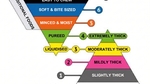
- Task 6: Drink Levels 0–4 at a Glance
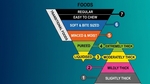
- Task 7: Food Levels 4–7 at a Glance
- Task 8: Transitional Foods: A Special Category
|
|
|
How to Use IDDSI in Your Role
- Task 9: IDDSI Across Care Settings
- Task 10: The Clinician’s Responsibility
|
End of Unit 1
|
|
Introduction to Drink Levels & the IDDSI Flow Test
- Task 11: Unit Introduction & Objectives
- Task 12: Why Drink Thickness Matters
- Task 13: Overview of Levels 0–3
- Task 14: Introducing the IDDSI Flow Test
- Task 15: Flow Test Step-by-Step
|
|
|
Level 0 — Thin
- Task 16: Characteristics of Level 0: Thin
- Task 17: Flow Test: Reading a Level 0 Result
- Task 18: Activity: Identifying Thin Liquids in Practice
|
|
|
Level 1 — Slightly Thick
- Task 19: Characteristics of Level 1: Slightly Thick
- Task 20: Flow Test: Reading a Level 1 Result
- Task 21: Activity: Flow Test Interpretation — Levels 0 vs 1
|
|
|
Level 2 — Mildly Thick
- Task 22: Characteristics of Level 2: Mildly Thick
- Task 23: Flow Test: Reading a Level 2 Result
- Task 24: Activity: Placing Levels 0–2 on the Continuum
|
|
|
Level 3 — Moderately Thick / Liquidized
- Task 25: Level 3: A Dual Classification Explained
- Task 26: Characteristics of Level 3
- Task 27: The Fork Drip Test
- Task 28: The Spoon Tilt Test
- Task 29: Activity: Real-World Level 3 Examples & Testing Decisions
|
|
|
Unit Review & Assessment
- Task 31: Multiple Choice & Short Answer Questions
|
End of Unit 2
|
|
Introduction to Food Levels & Food Testing Methods
- Task 32: Unit Introduction & Objectives
- Task 33: From Drinks to Foods: Crossing the Threshold
- Task 34: Why Food Texture Measurement Is Different
- Task 35: Introducing the Food Testing Toolkit
|
|
|
Level 4 — Pureed / Extremely Thick
- Task 36: Characteristics of Level 4: Pureed / Extremely Thick
- Task 37: Real-World Level 4 Food Examples
- Task 38: Fork Tests at Level 4
- Task 39: Spoon Tilt Test at Level 4
- Task 40: Activity: Pass or Fail — Level 4 Testing Scenarios
|
|
|
Level 5 — Minced & Moist
- Task 41: Characteristics of Level 5: Minced & Moist
- Task 42: Food-Specific Preparation Guidance
- Task 43: Fork Tests at Level 5
- Task 44: Spoon Tilt Test at Level 5
- Task 45: Activity: Preparing and Testing a Level 5 Meal
|
|
|
Level 6 — Soft & Bite-Sized
- Task 46: Characteristics of Level 6: Soft & Bite-Sized
- Task 47: Fork Pressure Test at Level 6
- Task 48: Spoon Pressure Test at Level 6
- Task 49: Activity: Level 5 vs Level 6 — Understanding the Difference
|
|
|
Level 7 — Easy to Chew & Regular
- Task 50: Level 7: Two Distinct Classifications
- Task 51: Fork & Spoon Pressure Tests at Easy to Chew
- Task 52: Activity: Classifying Level 7 Foods — Easy to Chew or Regular?
|
|
|
Transitional Foods
- Task 53: What Are Transitional Foods?
- Task 54: Fork & Spoon Pressure Test for Transitional Foods
- Task 55: Finger Test & Chopstick Test for Transitional Foods
- Task 56: Activity: Is It a Transitional Food?
|
|
|
Unit Review & Assessment
- Task 58: Multiple Choice & Short Answer Questions
|
End of Unit 3
|
|
Food Textures That Pose a Choking Risk
- Task 59: Unit Introduction & Objectives
- Task 60: Textrures and Risk
- Task 61: How IDDSI Levels Address Choking Risks
- Task 62: Activity: Sorting High-Risk Textures
|
|
|
Safe Food Preparation for At-Risk Individuals
- Task 63: Safe Preparation Principles Across All Levels
- Task 64: Common Preparation Errors and High Risk Foods
- Task 65: What to Do When You Are Unsure
- Task 66: Activity: Safe or Unsafe? — Food Preparation Audit
|
|
|
Unit Review & Assessment
- Task 68: Multiple Choice & Short Answer Questions
|
End of Unit 4
|
|
Planning, Science & Culinary Principles
- Task 69: Unit Introduction & Objectives
- Task 70: Thinking IDDSI From the First Cut
- Task 71: Moisture, Flavor & Culinary Food Science
|
|
|
Technique-Driven Level Execution
- Task 72: Vegetables & Starch Execution
- Task 73: Protein Execution & Equipment Selection
- Task 74: Practical Cooking Workshop — One Ingredient, Three Levels
|
|
|
Plating, Holding, Service Handoffs & Practical Assessment
- Task 75: Plating, Holding & Reheating Strategies
- Task 76: Practical Assessment 1: Level 4 Pureed Preparation
- Task 77: Practical Assessment 2: Level 6 Soft & Bite-Sized Plating & Measurement
|
End of Unit 5
|
|
Bringing the Framework Together
- Task 78: Unit Introduction & Objectives
- Task 79: Roles and Responsibilities in Safe Food Service
|
|
|
Applying IDDSI in Food Service & Kitchen Settings
- Task 80: Reading and Acting on IDDSI Prescriptions
- Task 81: Batch Preparation and Quality Control
- Task 82: Plating, Labelling, and Service Handoff
|
|
|
Applying IDDSI in Clinical & Care Settings
- Task 83: Making and Communicating IDDSI Recommendations
- Task 84: Monitoring Compliance and Escalating Concerns
- Task 85: Reviewing and Updating IDDSI Prescriptions
|
|
|
Communicating IDDSI to Patients & Families
- Task 86: Explaining IDDSI Levels in Plain Language
- Task 87: Supporting Families to Prepare Safe Meals at Home
- Task 88: Navigating Resistance and Difficult Conversations
|
End of Unit 6
|
|
Draws on content from all five units
- Task 89: Capstone Scenario: End-to-End IDDSI Application
- Task 90: Final Assessment: Multiple Choice
|
|
|
Conclusion
- Task 91: Final Reflection: Your IDDSI Commitment
|
End of Unit 7
|
|